One number that could not move: +2°C
In April 2025 a customer asked our team to carry live snails from Poland to Georgia. The route ran to roughly 3,800 kilometres, several days on the road and a string of border crossings. The whole job turned on a single figure that was not allowed to drift: the load had to sit at +2 degrees Celsius the entire way.
Live cargo is what makes that hard. Ordinary refrigerated freight can take a few degrees of swing over a long haul and arrive perfectly fine. Snails will not. Warm the trailer and they wake, move about and stress; drop it too low and the consignment is gone. The window that keeps them dormant and intact runs to a degree or two, and it has to hold there for days.
Poland to Georgia, roughly 3,800km, held at +2°C the whole way.
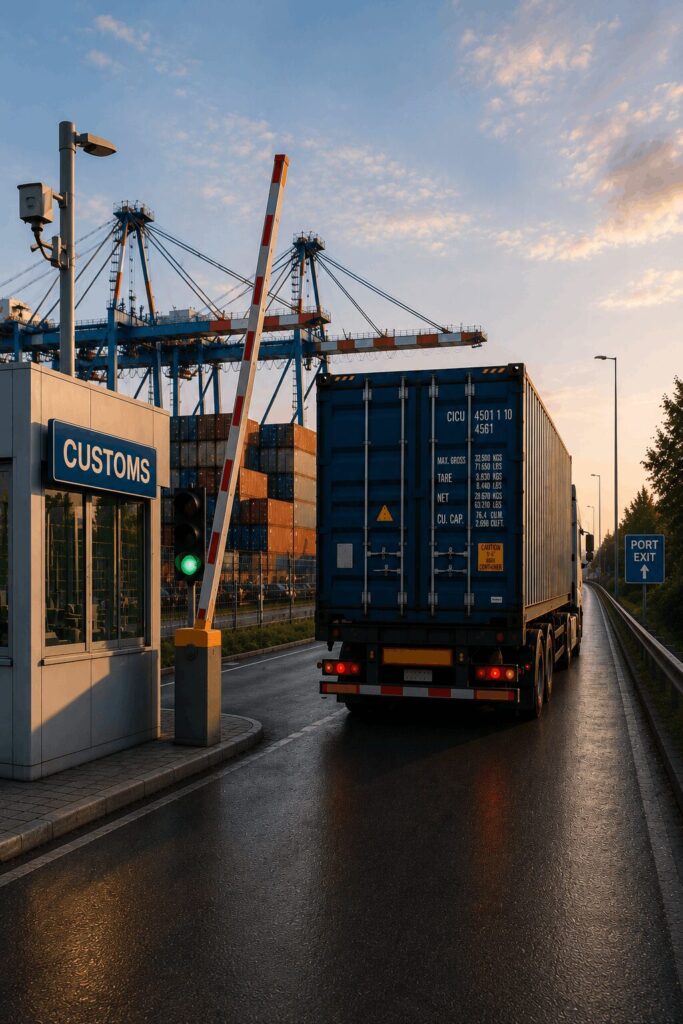
Holding it is unglamorous work done properly. The reefer unit is calibrated and checked before the doors close. Temperature is logged through the journey rather than read off only at each end. The route is planned around what the cargo can tolerate, and the paperwork is prepared in advance so a live, perishable load clears customs cleanly instead of sitting at a border while its condition slips.
The snails reached Georgia in the same state they left Poland, on schedule and with nothing to report. On a load like this one, that is exactly the result you want.
“Whatever is in the trailer, the temperature target is the thing you defend.”
Snails are an odd payload, and that is part of why the post did well. The duller reason we keep telling the story is that the work behind it is the same work behind a pharmaceutical run or a load of fresh produce. On all of them, a temperature reading is what stands between a clean delivery and a write-off, and the job is to defend it.
The discipline travels with the load
Eurogate holds GDP certification for pharmaceutical transport and runs temperature-controlled road freight for fresh produce and other sensitive goods. What changes between jobs is the cargo. The brief behind it stays much the same: hold the temperature, keep a record that proves you held it, and hand the load over in condition.
If you move goods that have to sit inside a tight temperature band, our temperature-controlled team will tell you plainly whether we can hold yours before anything is booked. You can read how the service works on our temperature-controlled freight page.