Where the saving came from
Over a single year, one of our clients cut more than 1,200 tonnes of CO2. The freight came off road-only routes and onto a planned mix of sea, rail and road. That is a measured figure from a real year of shipping, not a target or an estimate.
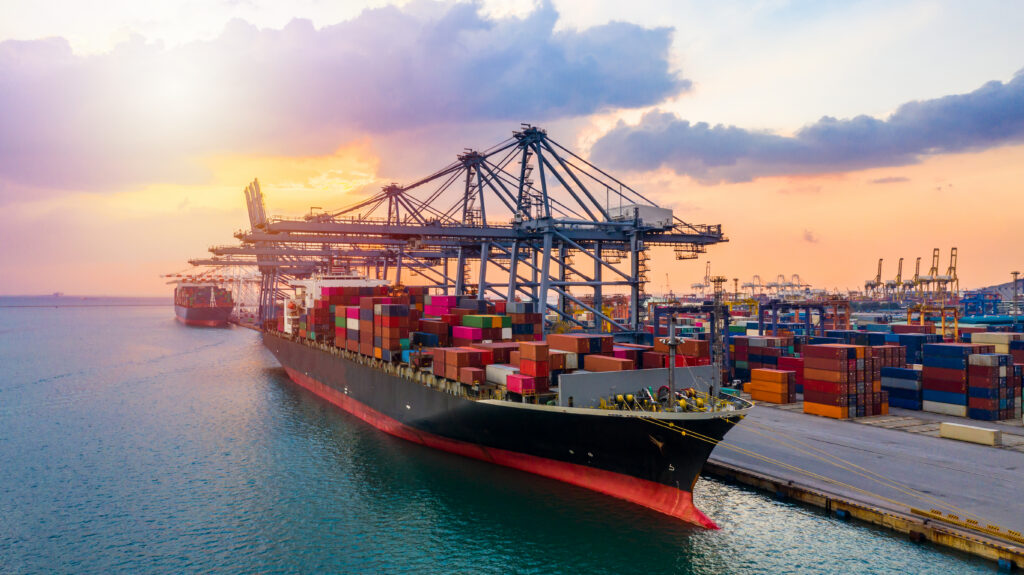
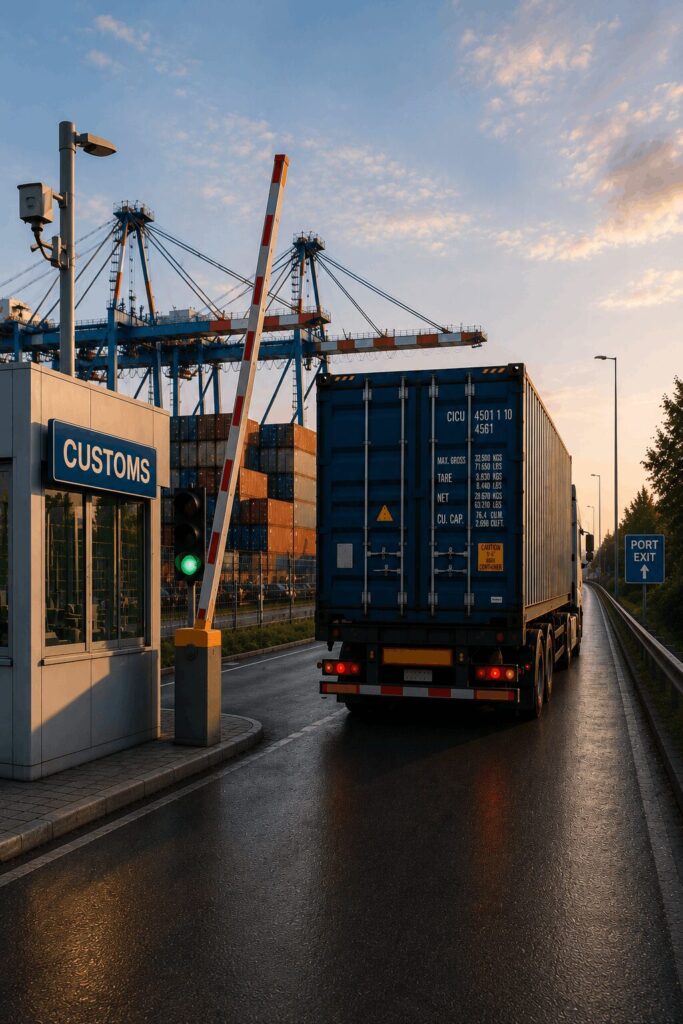
The method was intermodal transport. A consignment that would once have run end to end by truck now travels its long legs by sea and rail, with road kept for the first and last mile. The distance that used to burn diesel on a motorway is covered by lower-carbon modes instead, and the goods still arrive on the schedule the client planned around.
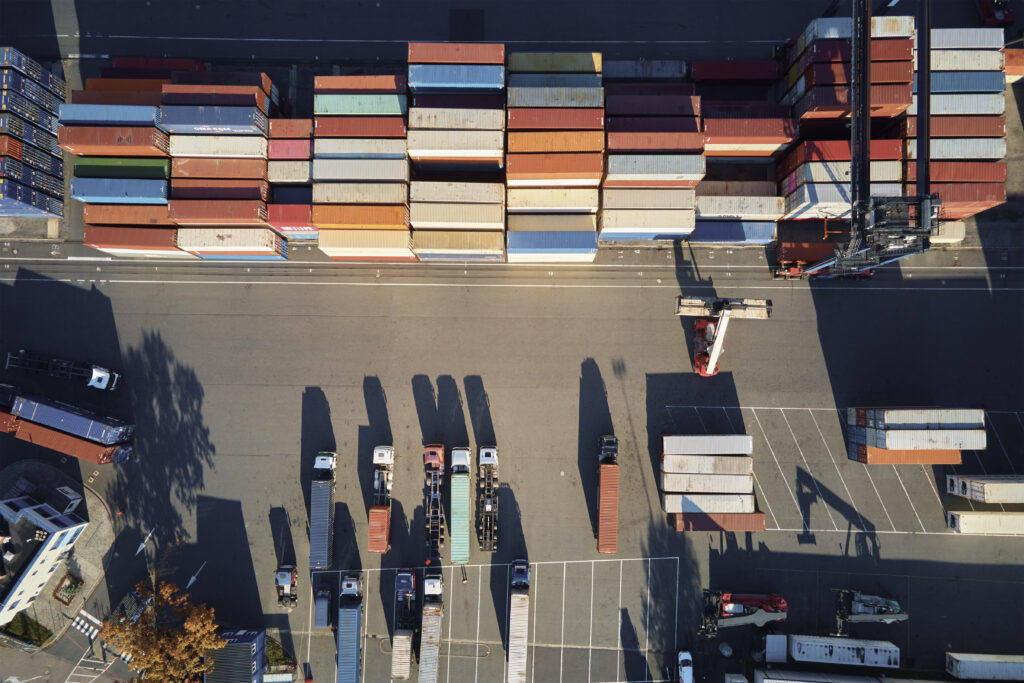
Trailers transfer between rail and road at the terminal. That transfer is what keeps the lower-carbon route practical to run.
A greener route usually carries a worry that it will run slower or less reliably. This one did not. The route was planned around cost, carbon and transit time together, and the client kept the schedule they had been working to all along.
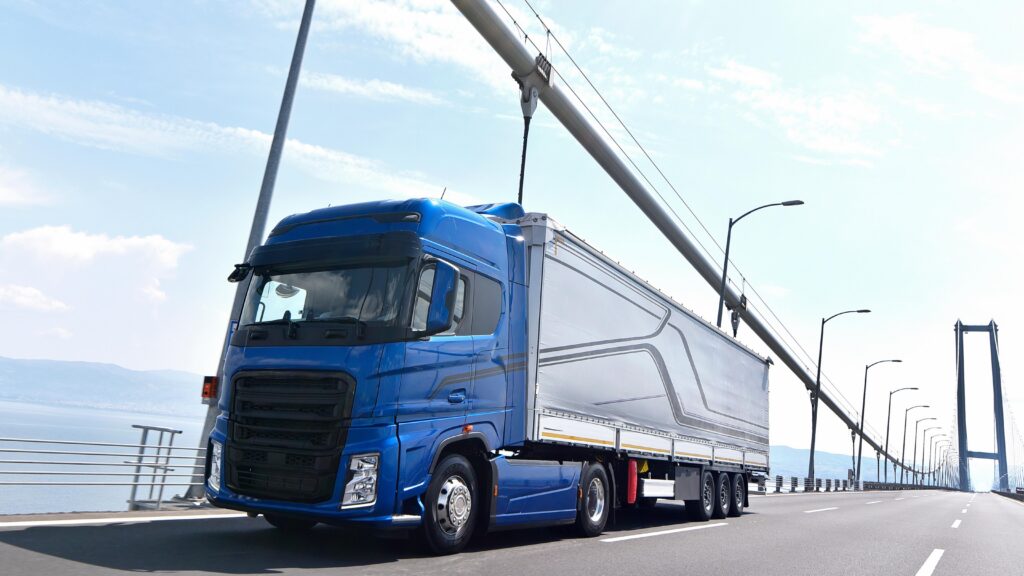
The practical detail sits in the equipment. Our intermodal service combines road, rail and ferry legs into one managed movement, with trailers built to transfer cleanly between rail and road. A lower-carbon route only helps a business if it runs to time, and that equipment is what makes the timing hold.
“The reduction was built into the route at the planning stage, before a single load moved. That is where the saving was won.”
This was one client over one year, on lanes that suited the switch. The wider lesson is about when the work happens. The carbon question was answered while the route was still being chosen, which is the point at which a shipper can actually change the outcome.
What this could mean for your routes
This was one client over one year, on lanes that suited the switch. The wider lesson is about when the work happens. The carbon question was answered while the route was still being chosen, which is the point at which a shipper can actually change the outcome.
What this could mean for your routes
How much you could save depends on your own lanes, your volumes and your timing. Some routes move to intermodal cleanly. Others stay on road for good operational reasons, and we will say so rather than push a shift that costs you time you cannot spare.
That assessment is the conversation worth having first. Our team can model the options on your actual routes and tell you what a realistic saving looks like, before anything on the ground changes.